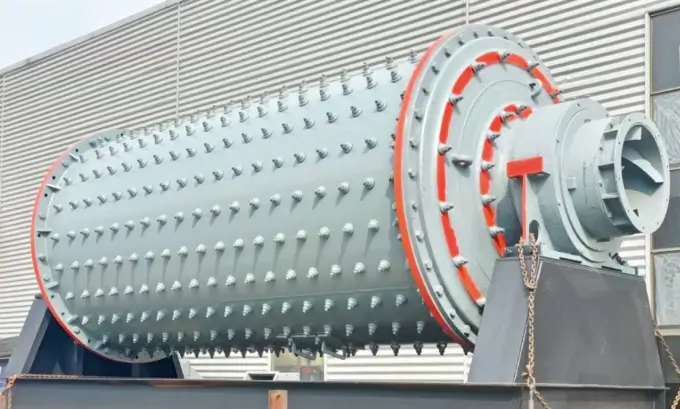
In mineral processing and cement manufacturing, energy efficiency has become one of the most important operational priorities. Rising electricity costs and increasing environmental regulations are forcing plants to rethink how they operate their grinding systems. Among all equipment used in comminution circuits, the Cement Ball Mill remains a key contributor to both production capacity and energy consumption.
A modern cement grinding plant depends heavily on grinding efficiency, and even small improvements in Ball Mill performance can lead to significant cost savings over time. Companies like Cementl are helping operators optimize their systems by improving process design, equipment selection, and operational strategies that reduce energy waste while maintaining stable production.
Understanding Energy Consumption in a Cement Ball Mill
The Cement Ball Mill is widely used in mineral and cement processing due to its flexibility and reliability. However, it is also one of the most energy-intensive machines in a cement grinding plant. Most of the energy consumed in grinding is not directly used for particle size reduction but is lost through heat, friction, and inefficient material movement.
Inside a Cement Ball Mill, steel grinding media rotate with the material, creating impact and friction that break particles into finer sizes. While this process is effective, it is not always energy efficient, especially when operating conditions are not properly optimized.
Cementl emphasizes that improving Ball Mill efficiency is not just about equipment upgrades but also about optimizing operating parameters such as grinding media load, rotation speed, and material feed consistency.
Optimizing Feed Material for Better Efficiency
One of the simplest yet most effective ways to improve Cement Ball Mill efficiency is by controlling feed material quality. In a cement grinding plant, inconsistent feed size or moisture content can significantly increase energy consumption.
When raw materials enter the Cement Ball Mill with uneven particle sizes, the grinding process becomes less efficient. Larger particles require more energy to break down, while overly fine particles may lead to unnecessary overgrinding.
By ensuring consistent feed preparation, operators can reduce unnecessary energy use and improve grinding stability. Cementl provides process optimization solutions that help cement grinding plant operators achieve better feed control and improved energy performance in their Cement Ball Mill systems.
See also: Why DXB APPS Is Your Trusted Mobile Application Development Abu Dhabi Partner?
Grinding Media Optimization and Its Impact
Grinding media plays a critical role in Cement Ball Mill performance. The size, material, and distribution of grinding balls directly influence energy consumption and grinding efficiency.
If the grinding media is not properly balanced, the Cement Ball Mill may consume more energy while producing lower-quality output. Larger media is effective for breaking coarse particles, while smaller media improves fine grinding efficiency.
In a cement grinding plant, optimizing grinding media distribution can lead to significant energy savings and improved product consistency. Cementl supports operators in selecting the right grinding media configuration to maximize efficiency in Cement Ball Mill operations.
Advanced Process Control in Cement Grinding Plant Operations
Modern cement grinding plant systems increasingly rely on automation and advanced process control to improve efficiency. The Cement Ball Mill benefits greatly from real-time monitoring of key operating parameters such as temperature, pressure, and material flow rate.
Automated systems can adjust operational settings dynamically to maintain optimal grinding conditions. This reduces energy waste caused by manual errors or unstable operating conditions.
A well-controlled Cement Ball Mill operates more consistently and consumes less energy per ton of material processed. Cementl integrates intelligent control systems into cement grinding plant designs to help operators achieve higher efficiency and reduced operational costs.
Importance of Proper Mill Maintenance
Maintenance is another critical factor in reducing energy consumption in a Cement Ball Mill. Worn liners, damaged grinding media, or misaligned components can significantly reduce efficiency and increase power usage.
In a cement grinding plant, regular inspection and timely maintenance ensure that the Cement Ball Mill operates under optimal conditions. Preventive maintenance also helps avoid unexpected breakdowns, which can lead to production losses and higher repair costs.
Cementl emphasizes maintenance planning as part of a complete energy-saving strategy, helping operators extend equipment life while maintaining consistent performance.
Energy Recovery and Modern Efficiency Improvements
Modern cement grinding plant systems are increasingly incorporating energy recovery technologies to improve overall efficiency. Waste heat recovery and advanced ventilation systems can help reduce the energy burden on the Cement Ball Mill.
In some advanced setups, energy-efficient classifiers and separators are used to improve particle separation, reducing the load on the Cement Ball Mill and lowering overall energy consumption.
These improvements not only reduce operating costs but also enhance environmental sustainability by lowering carbon emissions associated with cement production. Cementl continues to develop innovative solutions that help optimize Cement Ball Mill performance in modern industrial environments.
Balancing Cost and Performance in Ball Mill Operation
Achieving cost-effective operation of a Cement Ball Mill requires a balance between performance, maintenance, and energy usage. While upgrading equipment may involve initial investment, the long-term savings in energy and maintenance costs often outweigh the upfront expenses.
In a cement grinding plant, even small improvements in efficiency can lead to significant annual cost reductions. This makes optimization strategies a critical part of long-term operational planning.
Cementl works closely with plant operators to design customized solutions that improve Cement Ball Mill efficiency while maintaining stable production output and reducing overall operating costs.
Conclusion
Energy efficiency is a major priority in modern mineral processing and cement production, and the Cement Ball Mill plays a central role in achieving cost-effective operations. By optimizing feed materials, grinding media, process control systems, and maintenance practices, operators can significantly reduce energy consumption in a cement grinding plant.
While the Cement Ball Mill is inherently energy-intensive, proper optimization strategies can transform it into a highly efficient component of modern production systems. Companies like Cementl are helping the industry move toward smarter, more sustainable grinding solutions that balance performance with cost efficiency.
Ultimately, achieving cost-effective operation is not about replacing the Cement Ball Mill but about optimizing every aspect of its performance to ensure long-term productivity, stability, and energy savings.